Discovery
Research and findingsResearch
Competitor analysis
Other gamified loyalty and location apps.
Playtesting
Sessions on each game to tune difficulty and session length.
User interviews
What brings players back, and what gets them out the door.
Surveys
Game preferences and interest in prizes.
Analytics & retention
Retention and engagement per game and per quest.
A/B testing
Reward and quest variants, such as raffle prizes.
Market research · gamified loyalty apps, 2024
Competitor case studiesTemu · McDonald's · Chipotle · Fetch
Fishland, Farmland · resource farming, social referrals
- How it works
- Users pick a free physical item, then water crops or feed fish to earn it. Water and food come from daily logins, browsing categories for 45–60 seconds, sharing links and referring new users.
- What worked
- Endowed progress: items hit 80–90% completion in days, creating sunk cost. Forced referrals pushed acquisition costs to historic lows.
- What failed
- Rewards throttle exponentially near 99%. Items worth about $30 took 8–10 months of daily logins. Loyalty fatigue, brand damage and mercenary users who never made organic purchases.
- Outcome
- Massive DAU, high fatigue, dark-pattern backlash
MyMcDonald's Rewards · tiered milestones, rolling expiry
- How it works
- 100 points per dollar, visible reward tiers from 1,500 to 7,000 points, live progress bars and time-limited challenges like breakfast three days in a row.
- What worked
- Progress bars triggered the goal-gradient effect, pushing impulse add-ons. Points expire after six months, driving routine earn-and-burn. Visits rose from 10.5 to 26 a year.
- What failed
- Engagement spikes overwhelmed drive-thrus and kitchens. Little reason to open the app when not hungry.
- Outcome
- 175M+ active users · ~150% visit frequency
Chipotle IQ · time-gated trivia, badges, sweepstakes
- How it works
- 10 points per dollar, plus "Extras" challenges with collectible badges. Chipotle IQ is a recurring brand trivia game with rewards up to free burritos for a year.
- What worked
- Brand education as entertainment. Time windows and capped winners drove simultaneous logins: 1.6M completed quizzes, up 24% year over year.
- What failed
- Episodic: DAU spikes vanished after each campaign. Answer keys spread on Reddit, so rewards went to mercenary users.
- Outcome
- 1.6M engagements per event
adjoe Arcade · third-party play-to-earn
- How it works
- Users play top third-party mobile games inside Fetch and earn points for playtime, redeemable as gift cards.
- What worked
- Outsourced game development. 10B+ points earned ($25M in rewards), +10% LTV, +5% engagement and 5%+ monthly growth in app opens, without cannibalising receipt scanning.
- What failed
- Margins depend on volatile ad budgets after Apple's App Tracking Transparency. Attracts users grinding playtime, not engaging with brand partners.
- Outcome
- +10% LTV · $25M reward value
Shopee
Shopee Farm and Shopee Candy. 2024 research found a moderate positive effect on brand loyalty and repeat purchases in Indonesia.
Starbucks
Seasonal sweepstakes games: 68% of brand social discussion referenced the launch, across 34.3M rewards members. Custom builds need budgets mid-market brands can't match.
ComparisonMechanics · core drives · outcomes
| App | Primary mechanic | Octalysis core drives | 2024 outcome |
|---|---|---|---|
| Temu | Resource farming, virality | CD8 Loss/Avoidance · CD6 Scarcity | Massive DAU, high user fatigue, dark-pattern backlash |
| McDonald's | Visual progress, rolling expiry | CD2 Accomplishment · CD8 Loss/Avoidance | 175M+ active users, 150% frequency increase |
| Chipotle | Time-gated trivia, badges | CD2 Accomplishment · CD7 Unpredictability | 1.6M engagements per event, episodic brand education |
| Fetch Play | Third-party play-to-earn | CD4 Ownership · CD2 Development | 10% LTV boost, $25M distributed reward value |
| Shopee | Match-3, farming sim | CD4 Ownership · CD5 Social Influence | Higher brand loyalty, APAC market dominance |
Industry benchmarksChurn · sessions · return rate
Gamified apps versus non-gamified equivalents.
Brands that added casual games to loyalty platforms.
Retail cohorts who actively played in-app mini-games.
Adding a game does not make an app loyal by itself. It amplifies the architecture underneath: extractive designs burn users out faster, and user-centric designs build habits faster.
Strategic insights3 takeaways
Evergreen over episodic
Campaigns like Chipotle IQ spike DAU. Long-term churn reduction comes from permanent mechanics like rolling points and daily streaks.
Experiential rewards protect margins
Badges, status tiers and early access drive behaviour at zero marginal cost, where discounts and free items erode margin.
Games collect zero-party data
Users who ignore surveys share preferences through trivia and challenges, feeding segmentation and personalisation.
Key findings
Casual beats long
Engagement was strongest around casual games. Games that needed longer play sessions had lower retention.
Prizes bring players back
Rewarding players with prizes kept them returning to the app.
Competition retains
Retention increased on competitive games.
Quests near the daily route
Users engaged with daily quests set around places near their usual foot traffic.
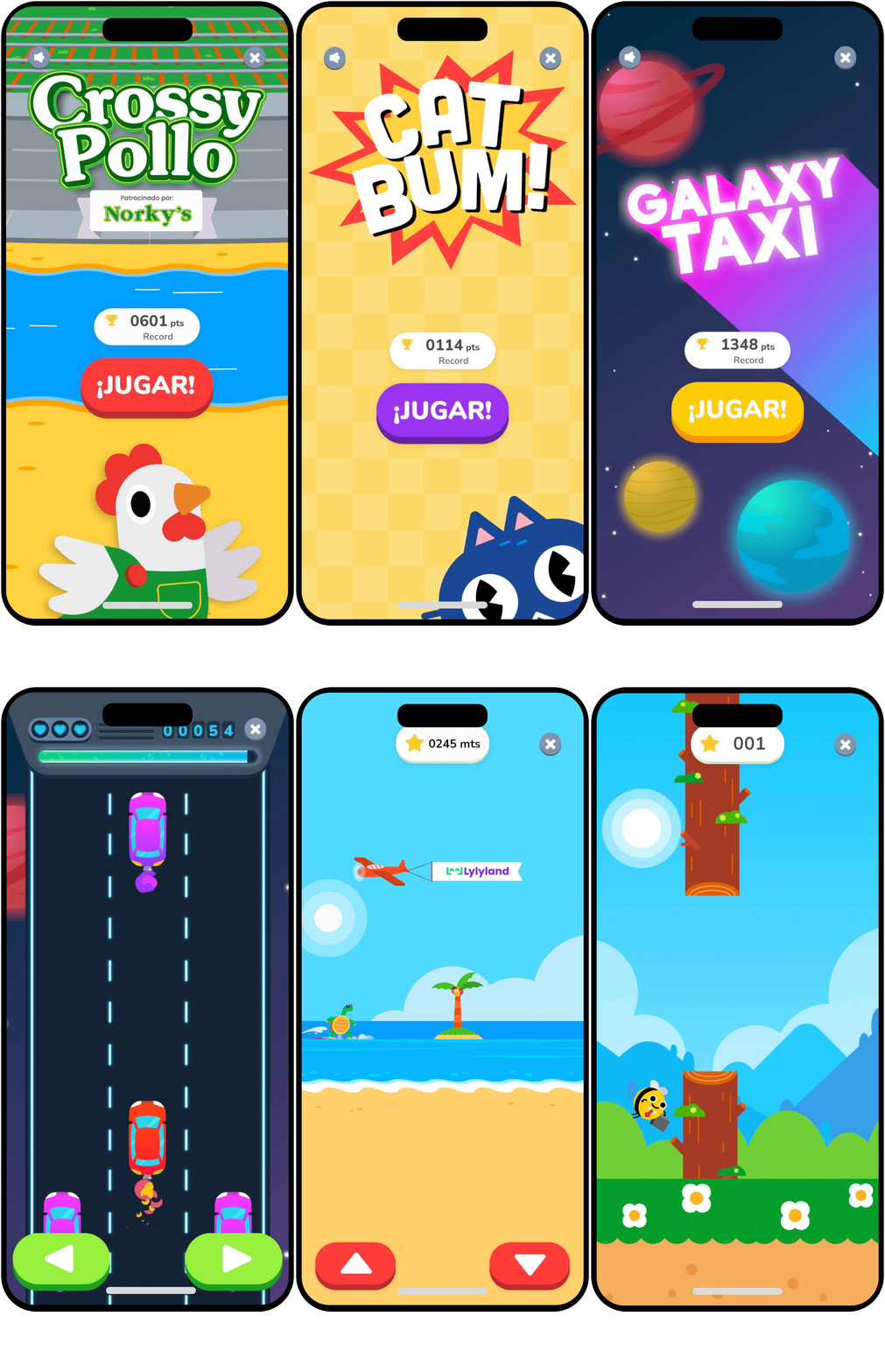
Most-played games