Alejandro Melian · Game design
Shipped · Lyly Interactive · gamified mobile app

Lyly
land

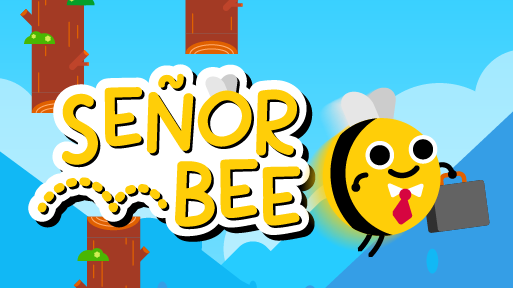
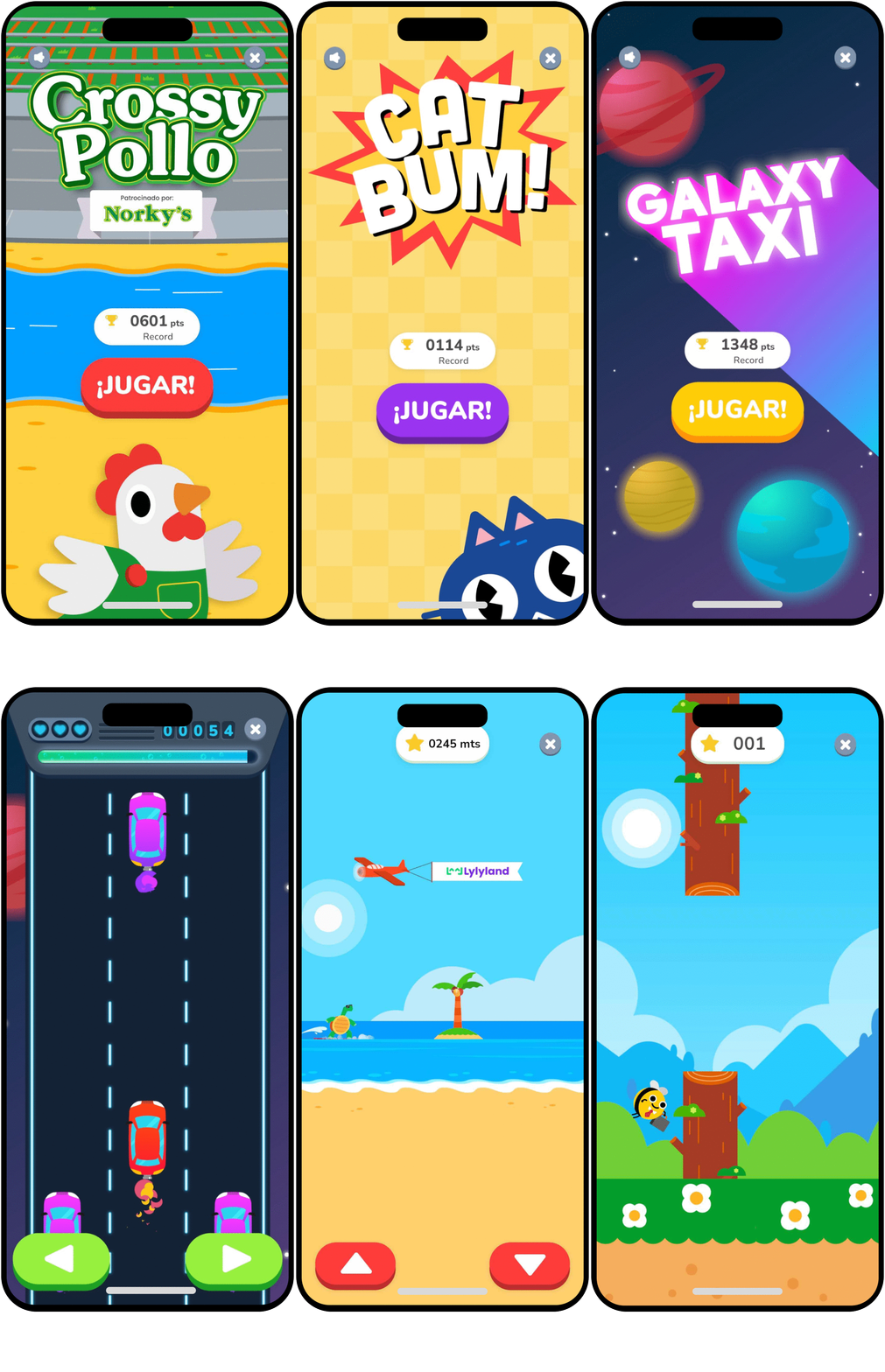
A gamified app that uses games to guide people to real world locations and keep them engaged. Alongside one programmer and one artist I built over eight casual games, all built on skill and repetition, plus a narrative quest layer that sends users to real places to take pictures or read the space for clues to a riddle.

02

Core loop

01
Play
Browse the casual games and chase a better score. Every one rewards skill and repetition.
02
Go there
Quests point at a real location and give you a reason to walk to it.
03
Solve on site
Take a picture, read the space, find the clue that answers the riddle — then bring it back into the app.
03

What I owned

Leading a lean team consisting of one programmer and one artist, the development of these eight casual titles required comprehensive oversight from concept to deployment. The design philosophy across the entire portfolio prioritized skill, repetition, and engaging retention loops.

Game Design & Balancing: Engineered the core mechanics, tuning difficulty curves, pacing directors, and resource economies to ensure fair but challenging loops.

Production & Scope Definition: Managed the agile development pipeline, establishing clear technical boundaries and feature scopes to ensure consistent, on-time delivery for each title.

Art Direction & Testing: Defined the visual aesthetics—ranging from thematic UI to distinct character biomes—and led rigorous testing to refine hitboxes, multi-touch responsiveness, and input logic.

Modular Systems & Throughput: Developed modular based design systems to reduce game design development, shipping a fully finished game every two to three weeks.

Quest & Narrative Systems: Designed the overarching meta-progression layer to drive real-world engagement. This included mapping out interactive quests that directed players to physical locations to analyze spaces, take photos, and solve riddles to unlock chests and secure partner discounts.

Modular design systemsGame designBalancingProductionScope definitionArt directionQuest & narrative systemsTesting
Discipline
Game design · production · balancing · art direction
Platform
Mobile app
State
Released
Studio
Lyly Interactive
Team
3 on the games — designer, programmer, artist
Cadence
A shipped game every 2–3 weeks
04

Applied system design

Risk/Reward & Economy Loops
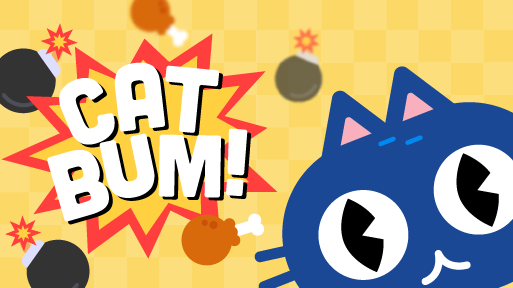
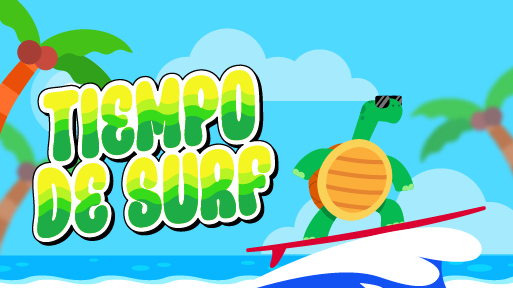
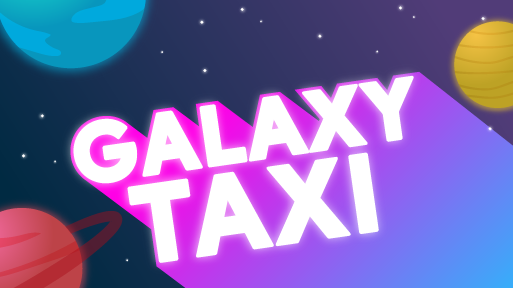
Balanced resource degradation (fuel lines in Galaxy Taxi), dynamic countdown timers (Cat Bum), and proximity-based grazing mechanics for bonus scoring (Tiempo de Surf).
Combat & Pacing Controllers
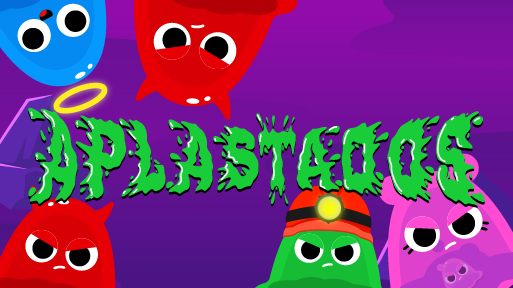
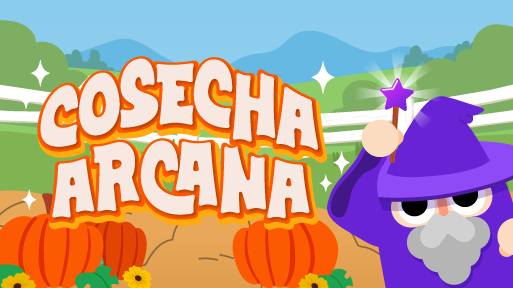
Defined multi-touch wave directors for horde survival (Aplastados) and structured incremental power-up stacking against varied enemy state machines and projectile systems (Cosecha Arcana).
Logic & Dynamic Difficulty
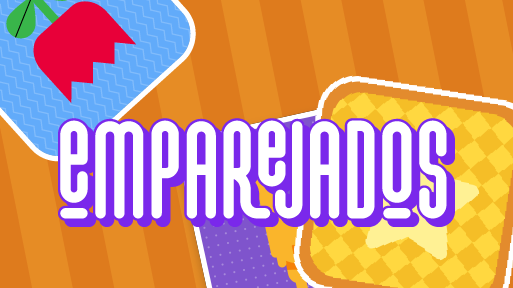
Built adaptive difficulty scaling for grid-state memory systems (Emparejados, 2048) and structured database querying for partner-branded content (La Trivia).
Input & Penalty Systems
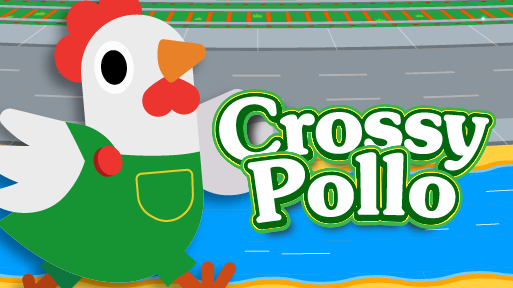
Designed lane-based grid movement paired with state-based buff timers, while integrating anti-idle and anti-repetition penalty triggers to force continuous player action (Crossy Pollo).
05

Design problems

Skill loops that survive repetition
Every game is built on skill and repetition, so the difficulty has to stay interesting on the twentieth attempt, not just the first.
Getting someone to actually go somewhere
A quest that asks a user to travel has to be worth the trip — the on-site action is the payoff, not an errand.
Eight games, three people
With one programmer and one artist, scope was the design constraint. Each game had to be defined tightly enough to ship.
One art style across everything
Eight casual games and a quest layer still have to read as one app, which made the art direction a systems problem.
06

Systems in the shipped app

~/projects/lylyland
Casual games
  • Over 8 casual games built with one programmer and one artist
  • Every game built around skill and repetition
  • Scope, balance and art style defined per game
Real-world quests
  • Narrative quest systems that send users to real locations
  • Actions on site — take a picture, read the space for clues
  • Riddles solved by observing the place itself
Engagement
  • Unified meta-progression: objectives yield chests, chests unlock discounts at real partner stores
  • Brand-facing competitions, sponsorships and in-game ad placements
  • Mini-game browsing as the entry point to the app
  • Repeat play as the engagement driver
07

Team & pipeline

Three people, daily contact

A small team of three, so the pipeline was built around daily meet-ups and working closely to reduce information lag. When possible we worked connected — an open channel rather than scheduled handovers.

We kick off with a morning sync to prioritize tasks, and the open-channel setup lets us drop in and resolve blockers instantly without scheduling overhead. We close out with a brief end-of-day touchpoint to catch any deviations, which lets me prep solutions for the next morning.

To anchor that, I keep strict meeting hygiene: every discussion ends with a verbal summary of what we agreed, and the actionable notes go straight into the group chat for full visibility. On a two-to-three week shipping cadence, a misunderstanding costs a whole title.

08

Postmortem

Strategic reflections

While the development cycle was a major success, evaluating the live performance of the games revealed clear areas for future systemic improvement.

Retention vs. Churn
The titles were highly effective at capturing short-term engagement, but lacked the mechanical variety needed to sustain long-term retention loops. Future iterations would require deeper progression layers to keep veteran users engaged.
LiveOps & Upkeep
Content-driven applications like La Trivia required significant, ongoing operational maintenance to keep questions fresh and ensure smooth in-app performance, impacting the small team's bandwidth.
Ecosystem Interconnectivity
The games functioned too independently as siloed experiences. There was a critical need for stronger interconnectivity—both between the individual games themselves and the broader primary app ecosystem they lived within.